Attractions
Step into living history
Discover the Heart of Samford’s Heritage
Step back in time and explore the rich tapestry of Samford’s past. At the Samford Museum, history comes to life through a fascinating collection of restored buildings, vintage machinery, and everyday items from early settler life. Whether you’re a history buff, a curious traveller, or a family looking for a fun day out, our attractions offer something for everyone. Come and uncover the stories, skills, and spirit that shaped our region.
The 1872 provisional Samford School
The Schoolhouse
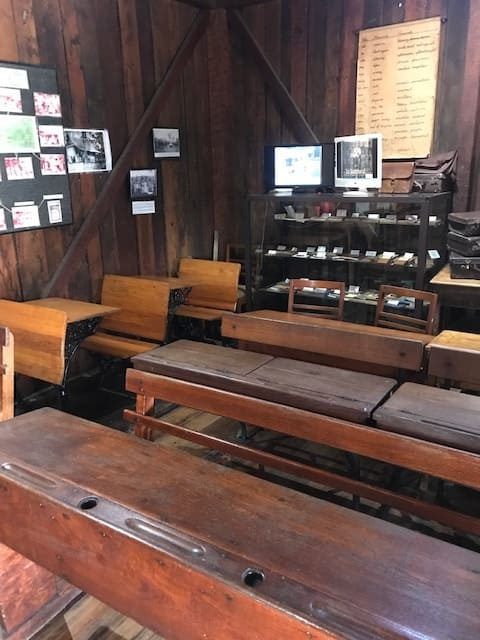
Step inside a replica of Samford’s first schoolhouse, originally built in 1872 by determined local farming families. With slab walls and shingle roof, it is precisely built to the original plans. At a time when formal education was not guaranteed, the community came together to construct this simple provisional school, ensuring their children had access to learning. Featuring original-style desks, slates, and teaching tools, the schoolhouse offers a vivid look at early education in rural Queensland and the community spirit that made it possible. Children will love writing on the traditional slates!

Step back in time to Main Street, 1917
The Corner Store
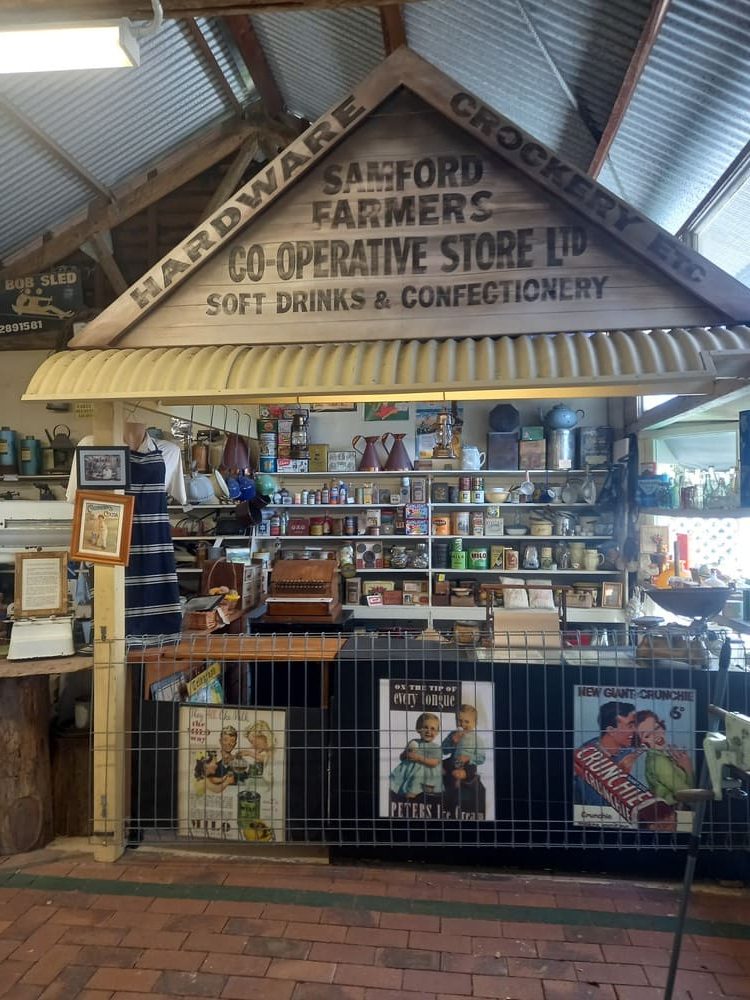
Discover a faithful recreation of the original Samford Farmers Co-operative Shop, which served the local community on Main Street in 1917. This charming village store offers a glimpse into early 20th-century rural trade, where locals gathered not just for goods, but for news and connection. Stocked with vintage goods, tools, and everyday essentials from the era, the shop captures the spirit of early commerce and community life in Samford’s farming past. The children will love seeing what you used to be able to buy at the local general store.
Where the heavy work was performed
Blacksmith Workshop
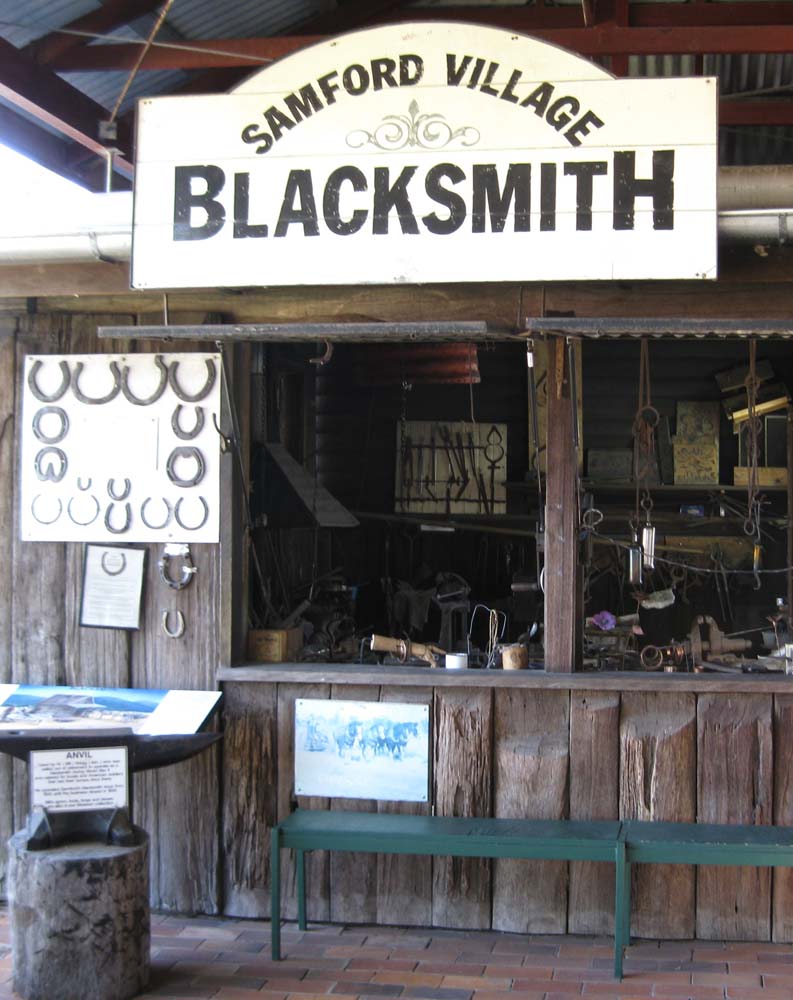
Settlers in the Samford Valley turned to the blacksmith’s workshop for a host of essential services—knives were sharpened, tools were skilfully mended, and horses were reliably shod, making the blacksmith “a very busy man” in the heart of the community. At the museum, the blacksmith’s forge still pulses with life for scheduled groups and is also open monthly, offering copper work demonstrations (cold work) that are ideal and safe for both adults and children. Beyond scheduled demonstrations, the blacksmith also assists the community by sharpening garden tools and other implements upon request—just contact the museum for a quote.
Early days of transport
Horse-Drawn Transport
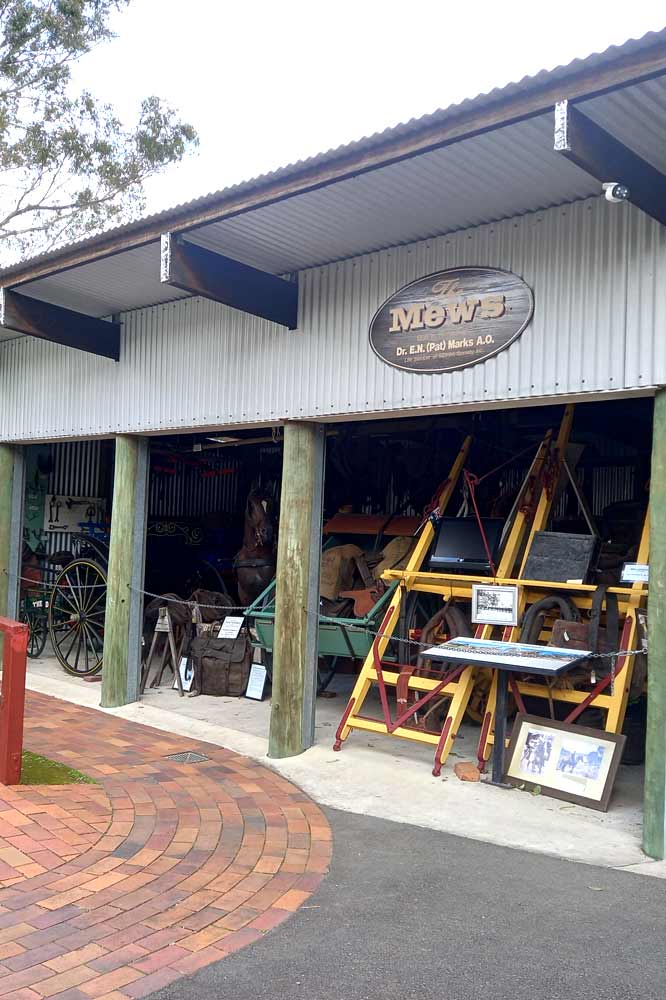
Settlers in the Samford Valley depended entirely on horse-drawn transport—carts, wagons and sulkies—to navigate the rugged landscape and transport their livelihoods. At the museum, “The Mews” exhibit brings these vehicles back to life, featuring restored carriages that once served everyday rural purposes, from hauling produce to ferrying families. Contains six different modes of transport which were used extensively by the farmers for work and social activities, and even the local doctor. This exhibit immerses visitors in the journey of life before motorisation.
Where meals were made
Slab Hut, Kitchen & Laundry
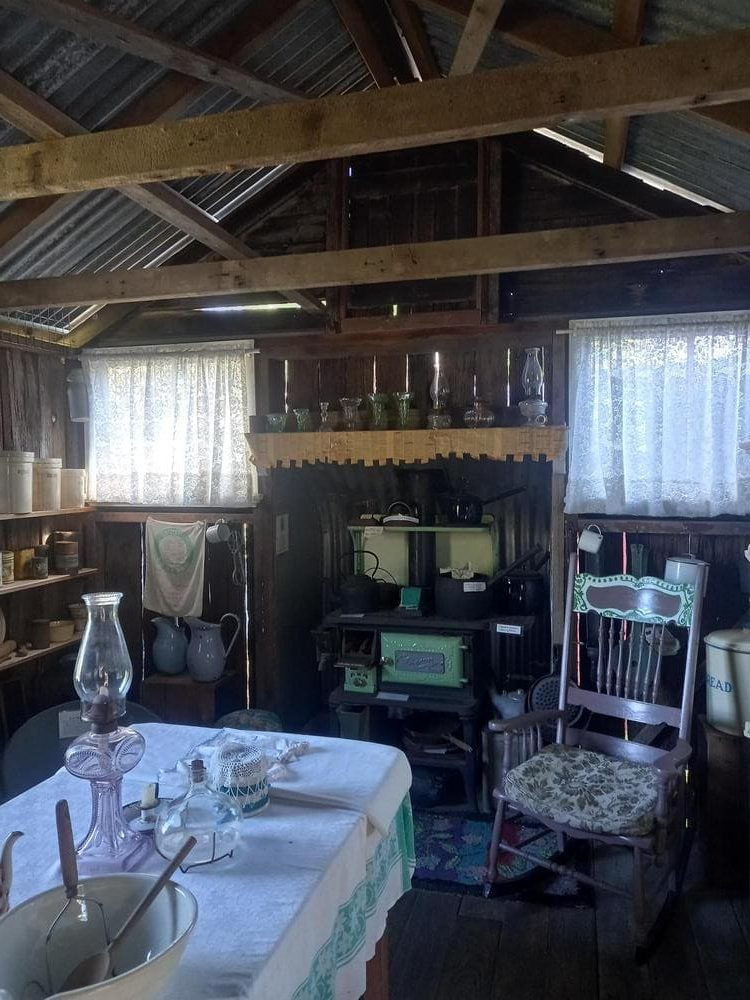
A Glimpse into Early Colonial Living. Experience the traditional slab kitchen just as it would have been in the early days of settlement, with its authentic outdoor toilet and wash-house. Back then, kitchens were commonly built as separate structures away from the main house to reduce the risk of fire spreading. Made from rough-hewn timber slabs, these standalone buildings were hot, smoky, and bustling with activity. Visitors can explore how meals were prepared over wood fired stoves, see early cooking tools in use, and gain insight into the daily lives of early Australian settlers.
Most properties started their days here
Cow Bails & Creamery
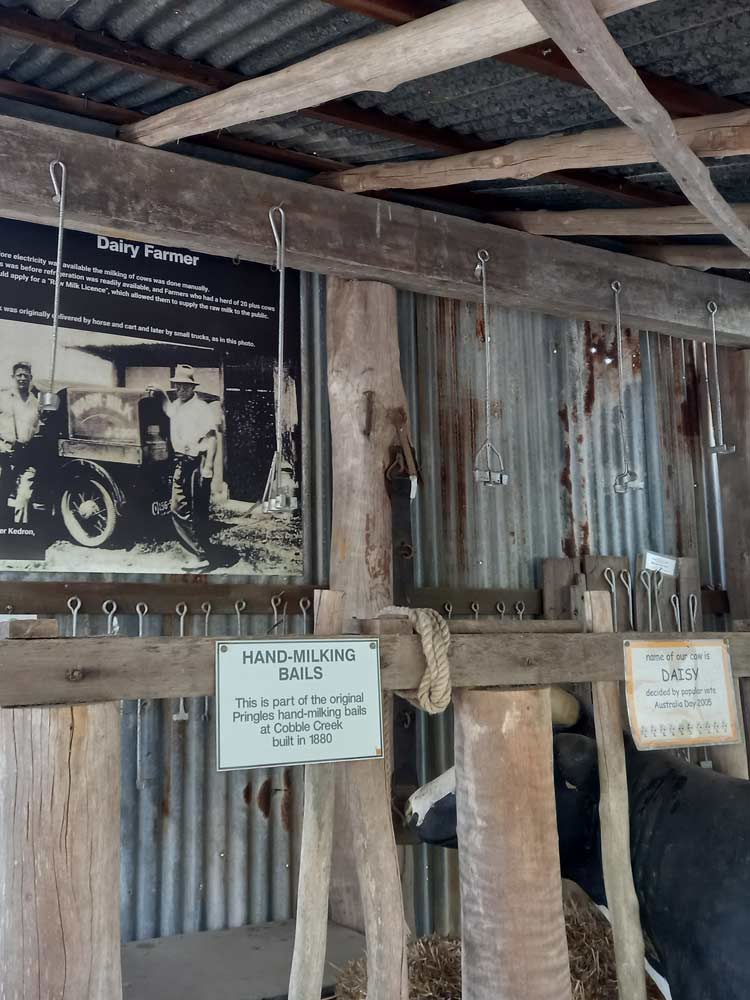
Nestled amidst the museum’s village scene, the historic cow bails and creamery takes visitors back to a time when dairy life ruled the dawn. In the sheltered bails, cows were carefully guided in to be hand-milked, often at the crack of dawn and again in the afternoon—“it was always an early start to move the cows in for milking, then do it all again in the afternoon.” Nearby, the creamery would transform that fresh milk into nourishing cream and butter, showcasing traditional farm routines that fueled daily life. Visitors are invited to engage with history—try milking our lifelike cow “Daisy,” and don’t forget to give her calf a friendly pat. This hands-on moment brings to life both the rhythm of rural work and the delightful bonds between the farm’s inhabitants.
When motor vehicles came to Samford
Samford Garage
Tucked into the museum’s village display is a faithful replica of the original Samford Garage, first established in 1926 as a vital local hub for servicing both horse-drawn and motor vehicles and supplying fuel across the region. Built by Bill Morrison for his son Les (“Boy”) during 1925–26, the real garage once stood at the corner of Main Street and Mount Glorious Road, identifiable by its iconic signage—including a Golden Fleece emblem. The museum’s replica was lovingly constructed by volunteers as a tribute to the town’s mechanical heritage and officially opened in May 2008 during National Trust Heritage Week. It honours the garage’s role not just as a place of repair but as a community landmark that weathered the Great Depression and evolved through the decades—from an independent petrol station to operating under Golden Fleece and later Caltex branding.


Where dads like to stop
Engines, Tractors & Tools
Nestled within the museum’s machinery shed, the Engines, Tractors & Tools exhibit is a treasure trove of agricultural ingenuity. Here you’ll discover a fascinating array of restored machinery—vintage stationary engines, tractors, a hay baler driven by steam-powered mechanics—and a vast collection of tools once wielded daily by Samford’s pioneers. Each piece tells the story of bygone farm life: the roar of old engines, the precise craftsmanship of hand-held tools, and the quiet persistence of early tractor use. Whether you’re a mechanical enthusiast or simply intrigued by regional history, there’s a wealth of discovery to enjoy, from the elegance of antique gearwork to the humble ingenuity behind rural survival.
Early railway history
Ferny Grove Railway Station + Camp Mountain Rail Crash
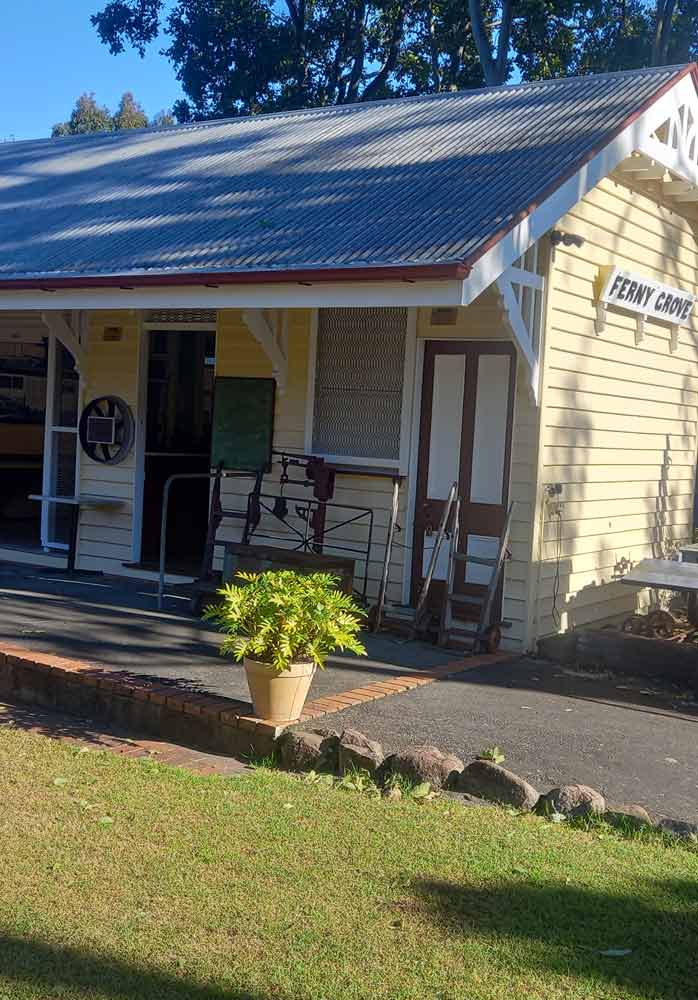
Step inside the relocated original Ferny Grove Railway Station, now part of the Samford Museum. Displaying many artefacts to delight train buffs, this heritage-listed station also houses a detailed and moving exhibit on the Camp Mountain rail disaster of 5 May 1947—the worst rail tragedy in the state’s history, claiming 16 lives and injuring 38 people. The museum’s display includes historical photographs and survivor recollections —all offering powerful insights into the human stories behind the catastrophe. The station’s authentic signal room setting deeply enriches the narrative of that fateful Labour Day excursion, when a picnic train derailed on a sharp curve between Ferny Grove and Camp Mountain along the Dayboro railway line. A well-researched book plus a DVD are available from the Museum.
Everyone enjoys this section
Toys & Communication
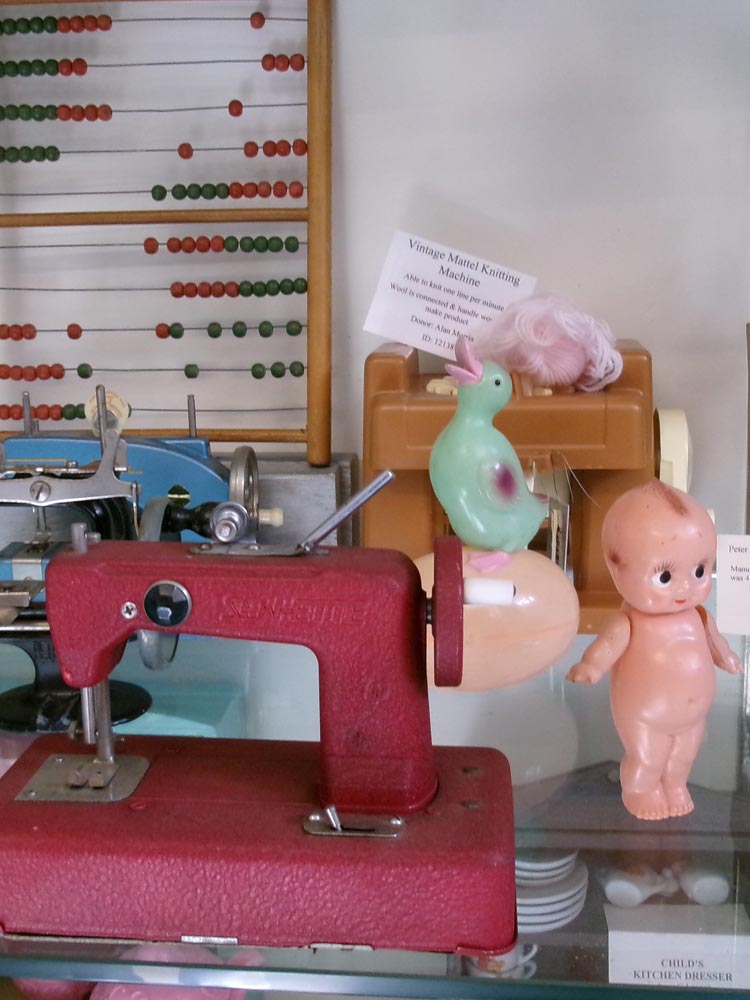
Children and adults alike will delight in the nostalgic charm of our Toys and Communication display. Explore a fascinating collection of antique toys that bring to life simpler times and spark fond memories. Kids can experience the fun of talking on the vintage party line using old-fashioned telephones—with a classic wind-up dial and even a quirky jam tin phone line to connect with friends. This hands-on exhibit invites visitors to discover how play and communication have evolved, offering a unique glimpse into the past through treasured toys and timeless technology.
Ensuring their spirit lives on
Wartime Memories
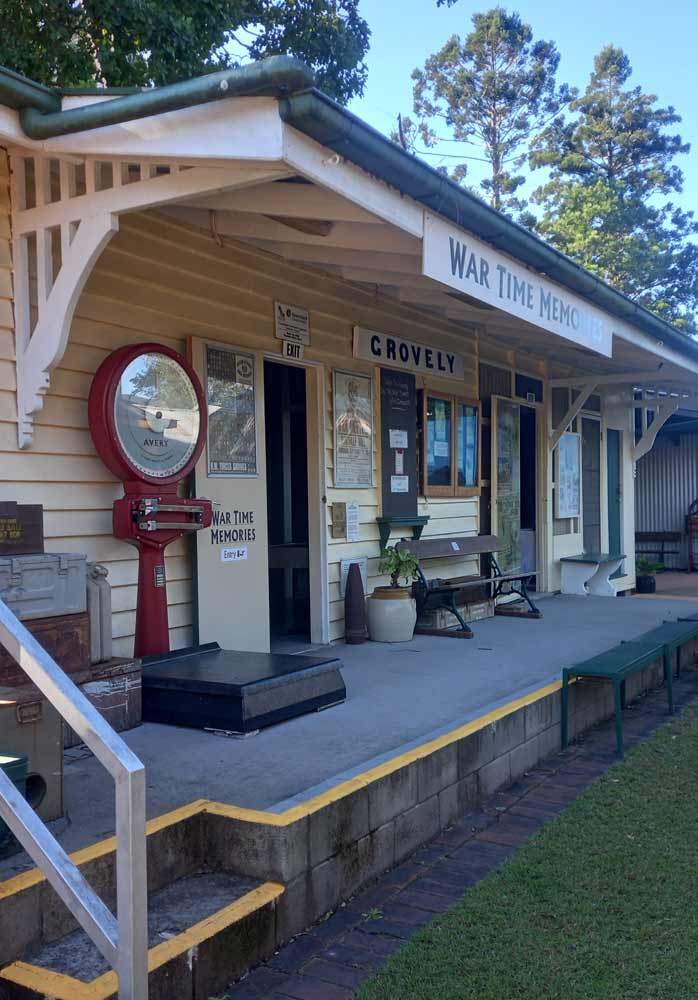
Step into the relocated original Grovely Railway Station, now home to the Wartime Memories exhibit, where the stories of Queensland’s military history come to life. This poignant display honours the service and sacrifice of local men and women from the Boer War (1899–1902) through to the Vietnam War (ended 1975). The exhibit features meticulously curated dioramas, uniforms, and memorabilia that illustrate the diverse roles played by soldiers, nurses, and support personnel during these conflicts. Notably, the station itself has historical significance, having served as a transport point for troops during World War II and as a site for the A.I.F. camp at Grovely (1940–1945.) Each year, the museum becomes a focal point for Anzac Day commemorations, and we also provide opportunities for family history research, allowing individuals to explore the wartime experiences of their ancestors.
Our Museum Highlights




Hear the voices of our enthusiasts
Hear From Those Who Explored Samford Museum


Schools & groups love
visiting our museum





