History of Samford Valley
From forest to farmland
Early Settlement, Industry and the Foundations of Community
The first land lease for what is now Samford Valley was issued in 1855, according to records from the Queensland State Archives. From 1865, the government began subdividing this leasehold land for sale and selection. The valley was heavily forested and difficult to access, surrounded by steep mountain ranges, but the reliable water supply from many creeks feeding into the South Pine River made it ideal for small-scale farming.
Early settlers relied on the land for timber, dairy farming, bananas, fruit and small crops. A strong sense of community quickly developed. In 1872, local farmers built the Samford Provisional School, and by 1878, the government had constructed a two-room state school. Nearby, a cemetery reserve was established in 1877 and placed under the trusteeship of local residents—a resting place that remains in use today.
Rail, war & a village emerges
Transport, World War I and the Birth of Samford Village
Between 1914 and 1918, many young men from Samford enlisted to serve in World War I. After the war, returned soldiers were offered land at The Highlands (now Highvale), but these blocks were often too small to support a sustainable farming life, and many of the returned servicemen eventually left.
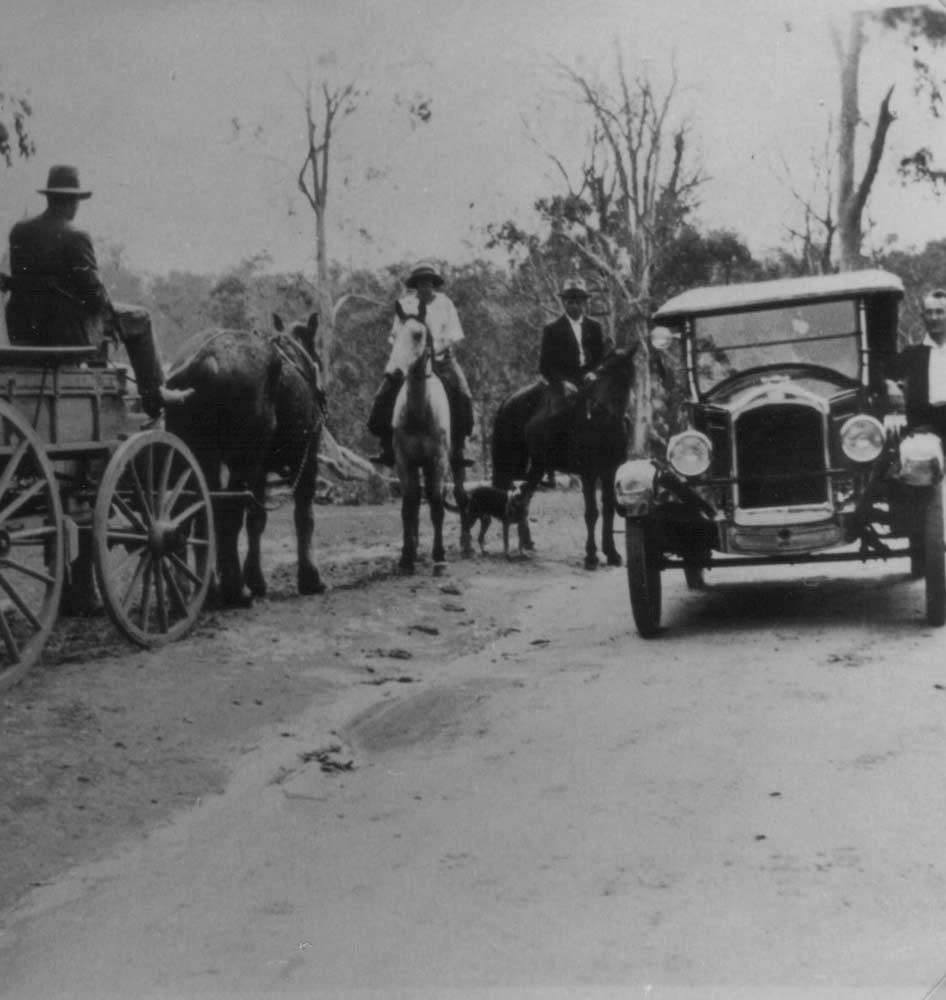
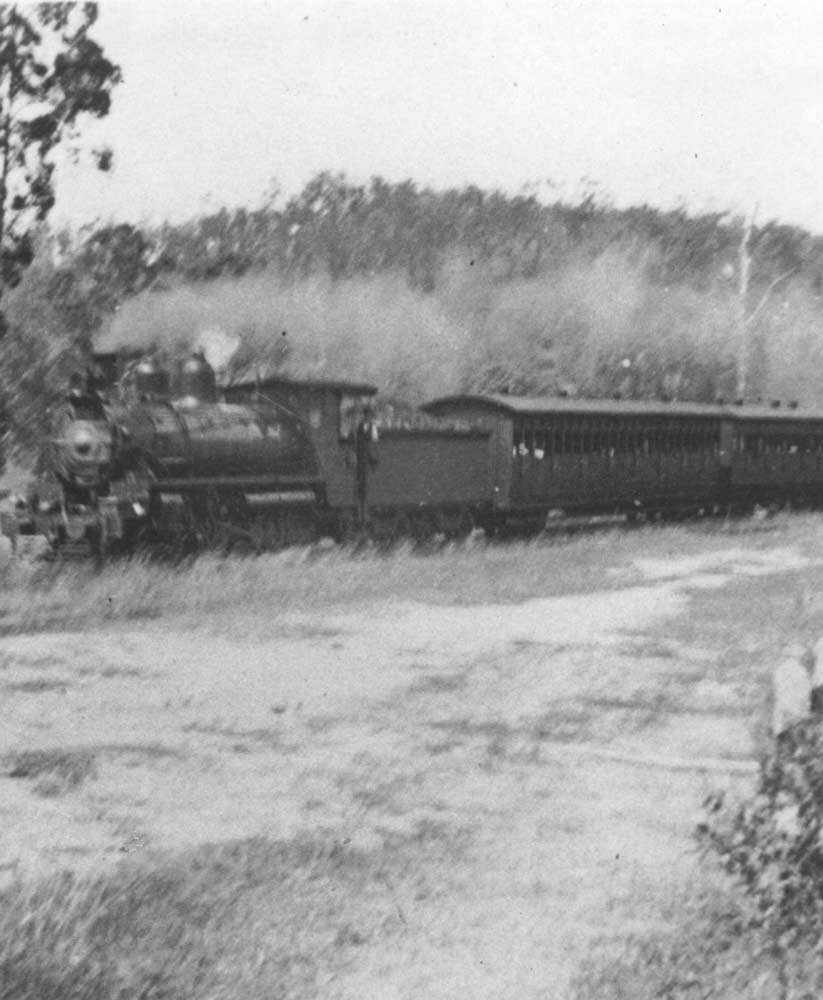
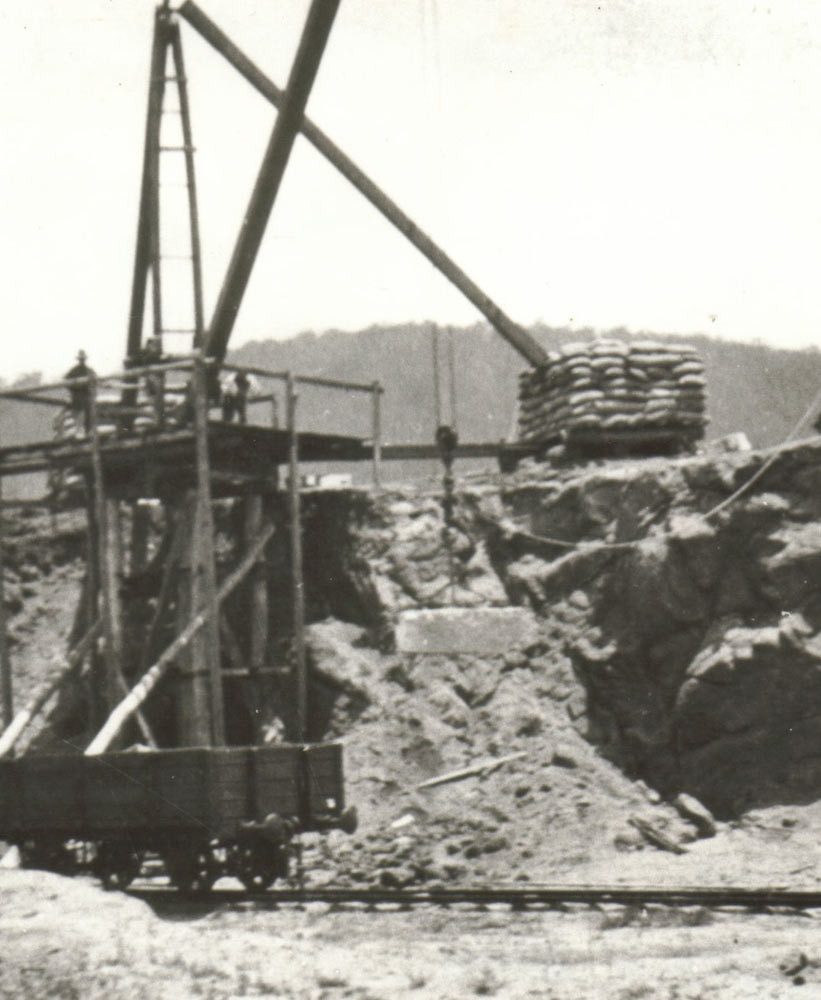
Before the arrival of the railway in 1918, farmers transported their cream and produce three times a week to a pickup point for delivery to the Kingston Butter Factory via the Enoggera station. The railway’s arrival changed everything. Businesses moved closer to the station, including the original hotel, the small shop and the Post Office. This shift marked the beginning of what would become Samford Village.
Booms, busts & new industry
The Rise and Fall of Bananas, Electricity and World War II
In the late 1920s, Samford reached a peak in banana production, sending more bananas through its railway station in 1926–1927 than any other in Queensland. However, in the early 1930s, disaster struck when the “bunchy top” virus forced the government to order the destruction of all banana plantations. Electricity came to Samford in 1937, transforming local agriculture. Milking machines became widespread and dairy farmers expanded their herds. Timber continued as a major industry, employing many local workers.
World War II again saw local men enlist, though many were required to remain on their farms due to farming’s status as an essential service. American soldiers stationed at Strathpine used the Samford blacksmith to shoe their horses during the war, adding a unique military connection to the town’s history.
Transformation & preservation
Post-war Growth, the End of Farming and Keeping History Alive
After the war, Samford remained largely unchanged until the road over the range was upgraded. This sparked a shift to motor transport and led to the closure of the Ferny Grove–Dayboro railway line in 1955. From the 1960s onwards, farmland was increasingly sold for housing development. The district’s last dairy farm closed in 2001, and the CSIRO’s pastoral research farm, after 40 years of operation, shut its doors in 2002.
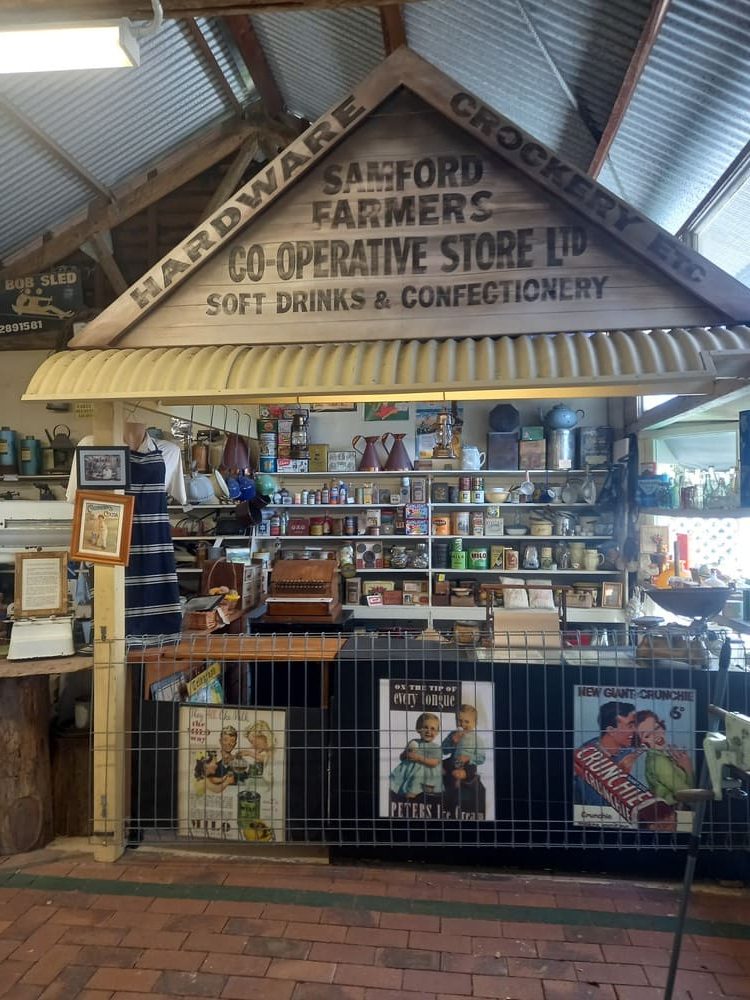
Today, while Samford has evolved from a farming valley into a thriving residential community, its past is carefully preserved by the Samford Museum. The Museum Library holds extensive records and collections covering everything from early residents, churches and community clubs, to the 1947 Camp Mountain Rail Crash, primary industries like dairying and banana growing, and the region’s involvement in both World Wars. Samford’s heritage remains a vital part of its identity.
Our Museum Highlights