About Samford Museum
Seeds of an idea (1970s)
Local Voices begin Preserving Local History
Interest in preserving the local history of Samford and the Pine Rivers region can be traced back to the lead-up to Australia’s 1970 bicentenary of Captain Cook’s landing.
In 1977, the Samford and District Progress and Protection Association (SDPPA) began publishing The Village Pump, a newsletter that quickly gained popularity. A suggestion emerged to use advertising profits to support a future museum, and historical articles began appearing in the newsletter, broadening local interest in the area’s past.
By July 1980, a dedicated group formed The Samford & Districts Historical Museum Committee, operating under the SDPPA. Their first goals: find a site and raise funds.
Laying the foundations (1980–1984)
Securing and, Raising Awareness and the First Major Event
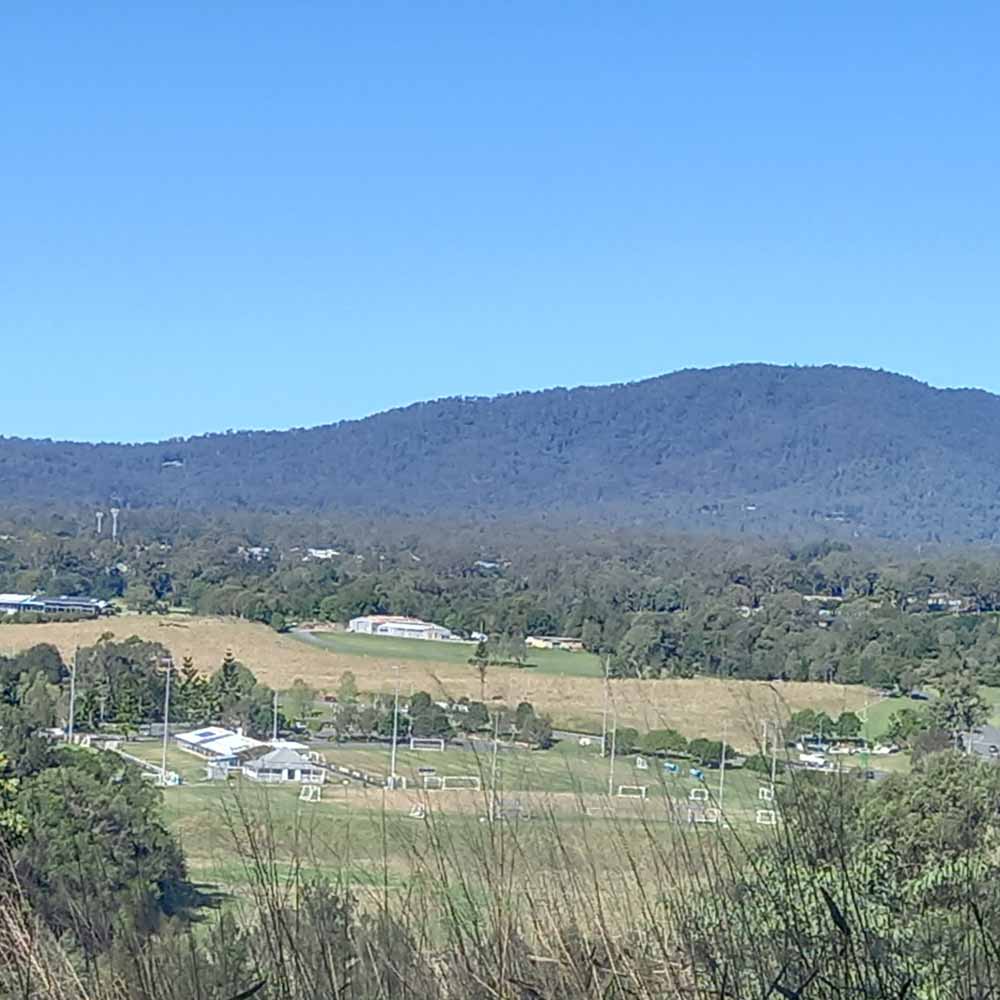
After negotiations with the Queensland Lands Department and Pine Rivers Shire Council (now the City of Moreton Bay Council), a portion of John Scott Park in Station Street was approved as the museum’s site in 1982. Council also set aside funding to assist with the project.
With a location secured, the committee planned a major community celebration: Back to Samford Day, held on 19 May 1984. Stories were gathered from residents—some written, others dictated—and historical photos were copied. These became the first edition of Samford Reminiscences. The day featured a vibrant street parade with community groups, historical vehicles, the school band, billy tea, damper, stew, and live country music.
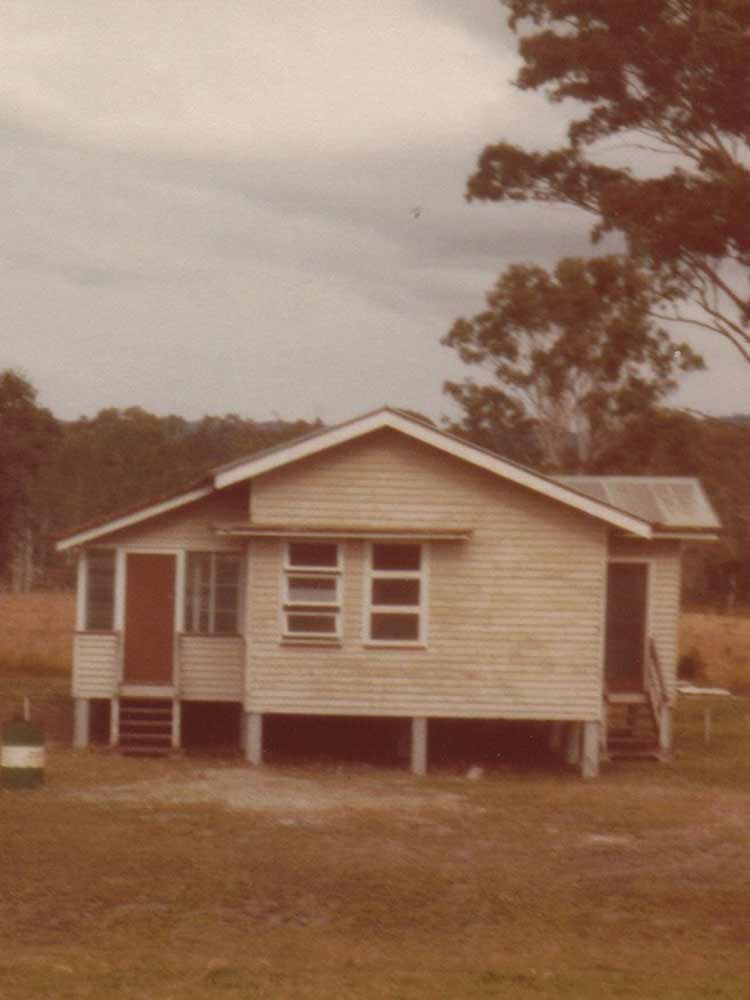
Shortly after, the former Head Teacher’s residence from Albany Creek State School was made available. Thanks to the support of Hon. Yvonne Chapman, Council Chairman Rob Akers, and Councillor Brian Burke, the building was acquired and relocated to the museum site in late May 1984.
Building the museum (1984–2000s)
Incorporation, Expansion and Volunteer Dedication
In July 1984, the museum subcommittee became the fully fledged Samford District Historical Museum Society. It was officially incorporated in February 1985 and adopted its own logo. After nearly 14 years of dreaming and planning, the museum was finally underway.
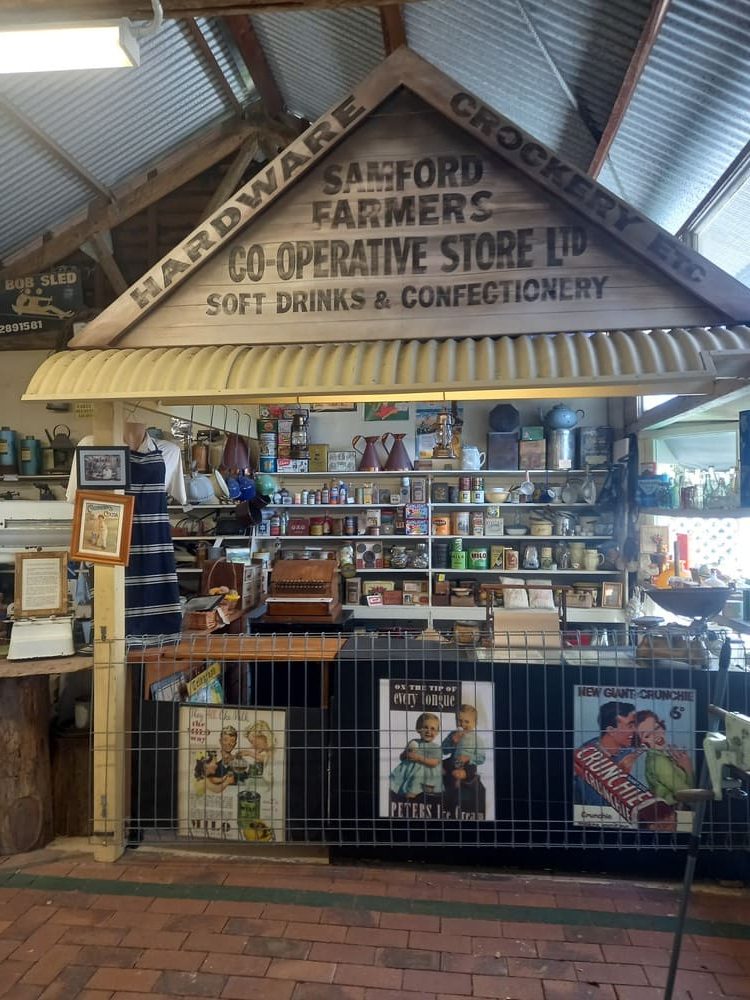
What followed was a sustained, decades-long effort by volunteers, local businesses and community organisations. Through continued community support, the museum grew into a complex of relocated and purpose-built buildings, filled with an extensive collection of artefacts, displays, and resource materials focused on life in Samford before 1960.
The Society received several successful grant applications over the years, notably from Bendigo Bank & the Progress Association as well as Local, State, and Federal Government grants, enabling many key developments. Fundraising efforts also took many creative forms and continue to this day, adjusted to suit the capabilities of current members


A living collection
Preserving the Past for Future Generations
The Samford Museum is more than a collection of objects—it’s a growing archive of memories. Continuous efforts to collect local stories and photographs have resulted in the publication of six further Reminiscences booklets.
The museum holds a remarkable range of materials: from the preservation of the Samford Bora Ring Grounds to local families, schools, rail history, primary industries, wartime service, maps, and businesses. These resources are available to researchers and curious visitors alike.
The journey of the Samford Museum continues, driven by its core purpose: to collect, preserve, and share the rich history of Samford in a way that is understood, appreciated and enjoyed by all generations.
Our Museum Highlights




Meet our team
The Expertise of Our Invaluable Museum Guides
Our volunteers come from all walks of life, and many have stayed for years—drawn by the camaraderie, the sense of pride in preserving local history, and the satisfaction of giving their time to a good cause. No experience is necessary, just bring along your life skills and a willingness to contribute.
OR

Ethan Adams
Historian and Lead Museum Guide

Rachel Bennett

Sarah Gayle
Ethan Adams
Historian and Lead Museum Guide